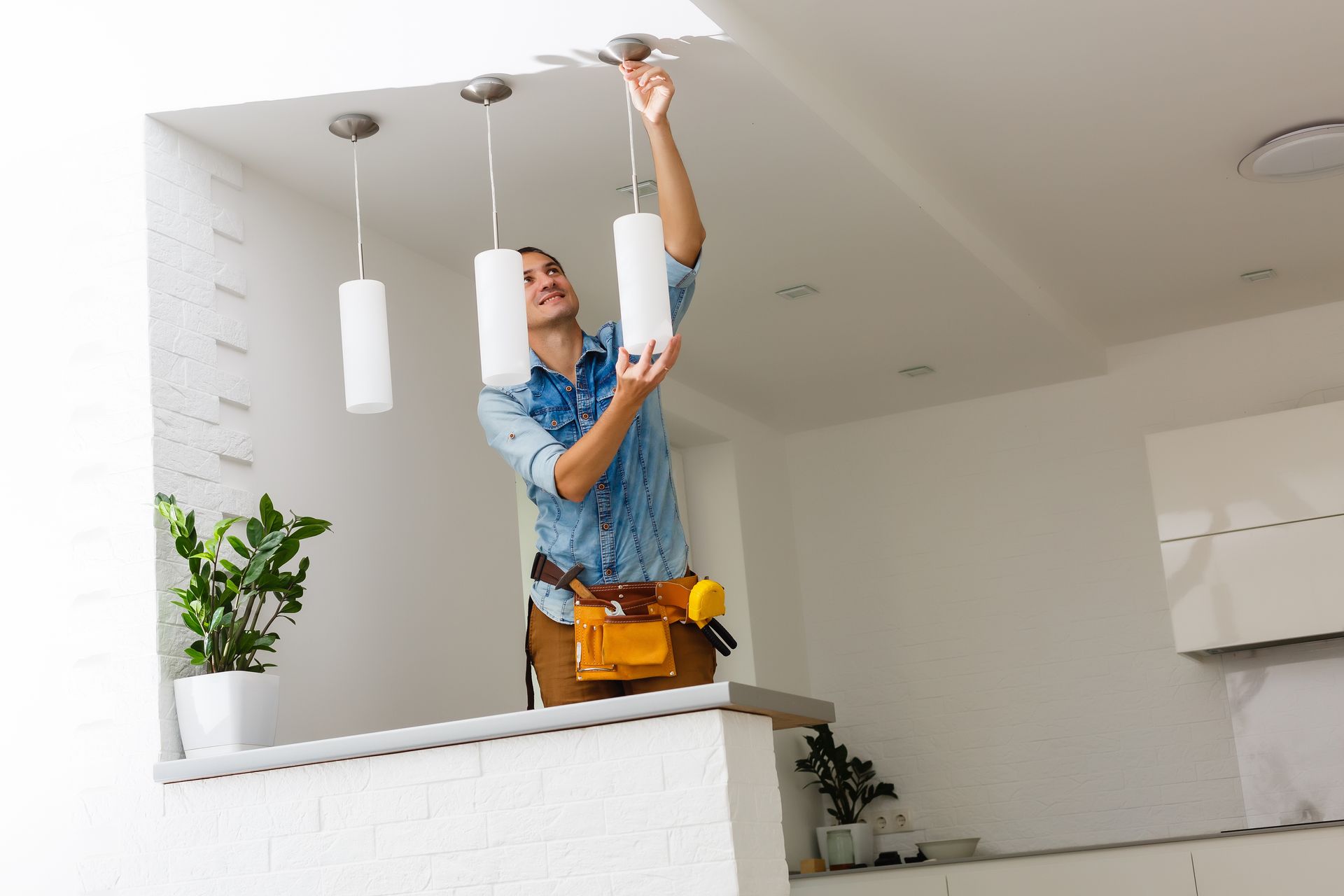
The Real Dangers of DIY Electrical Work
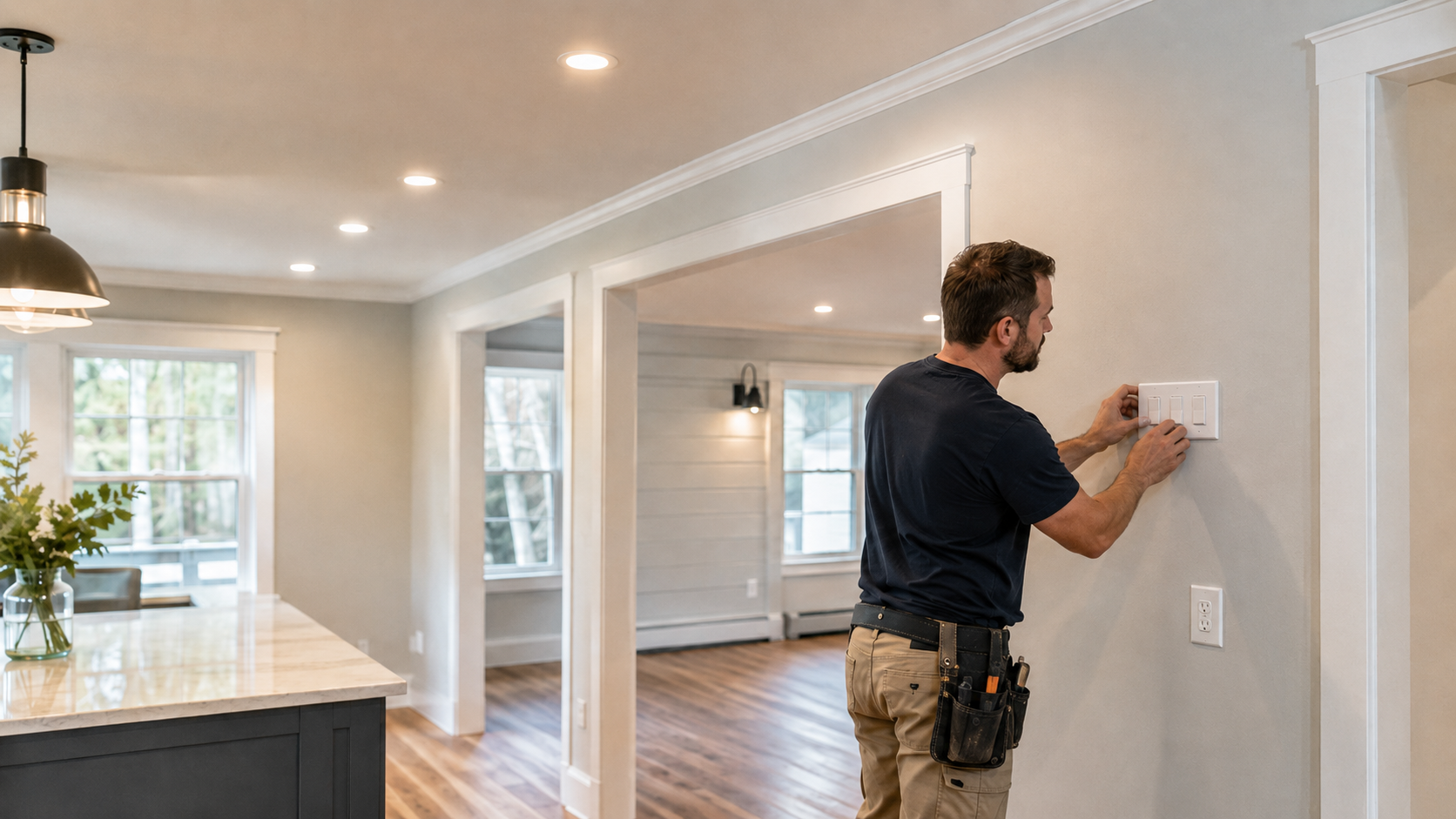
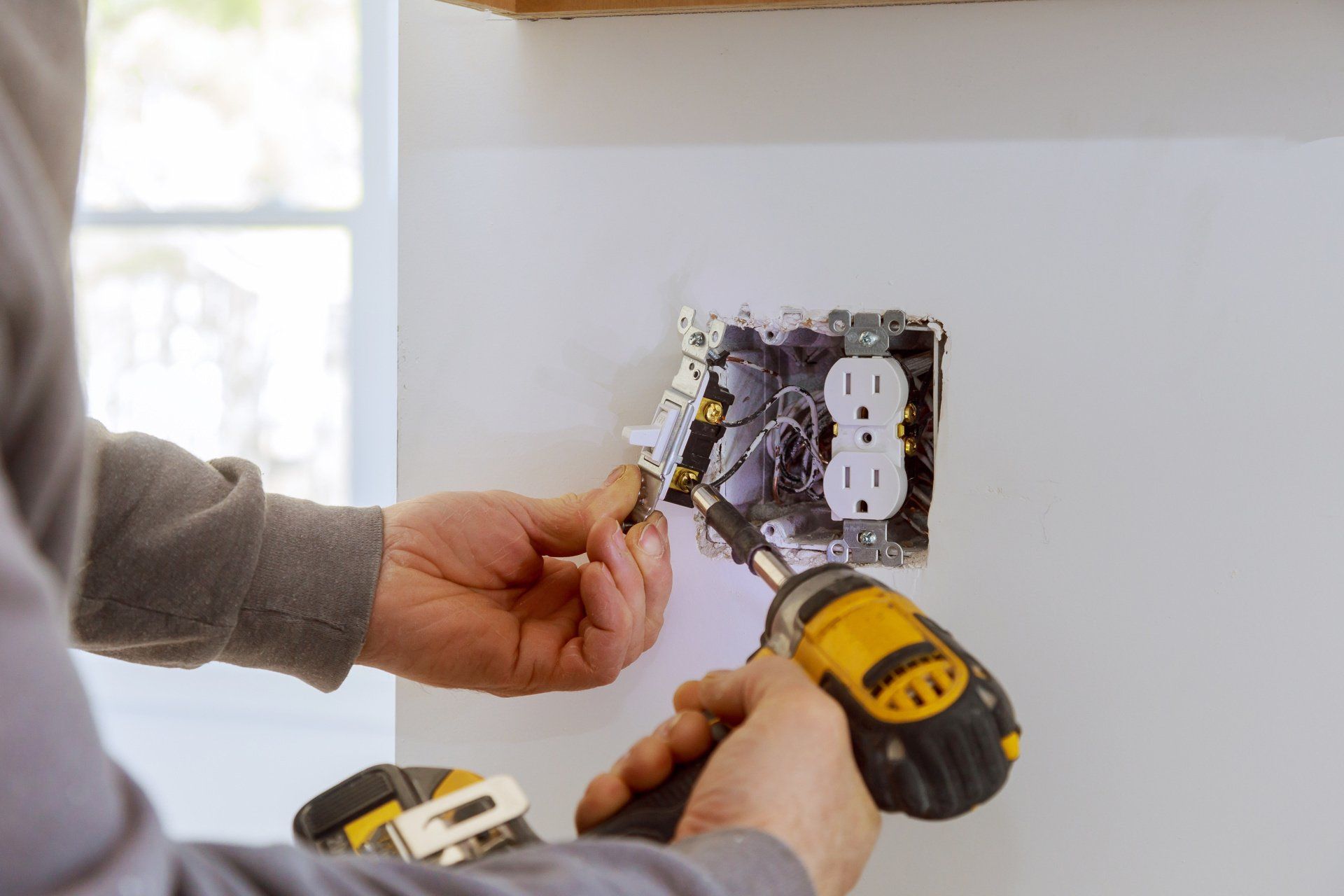
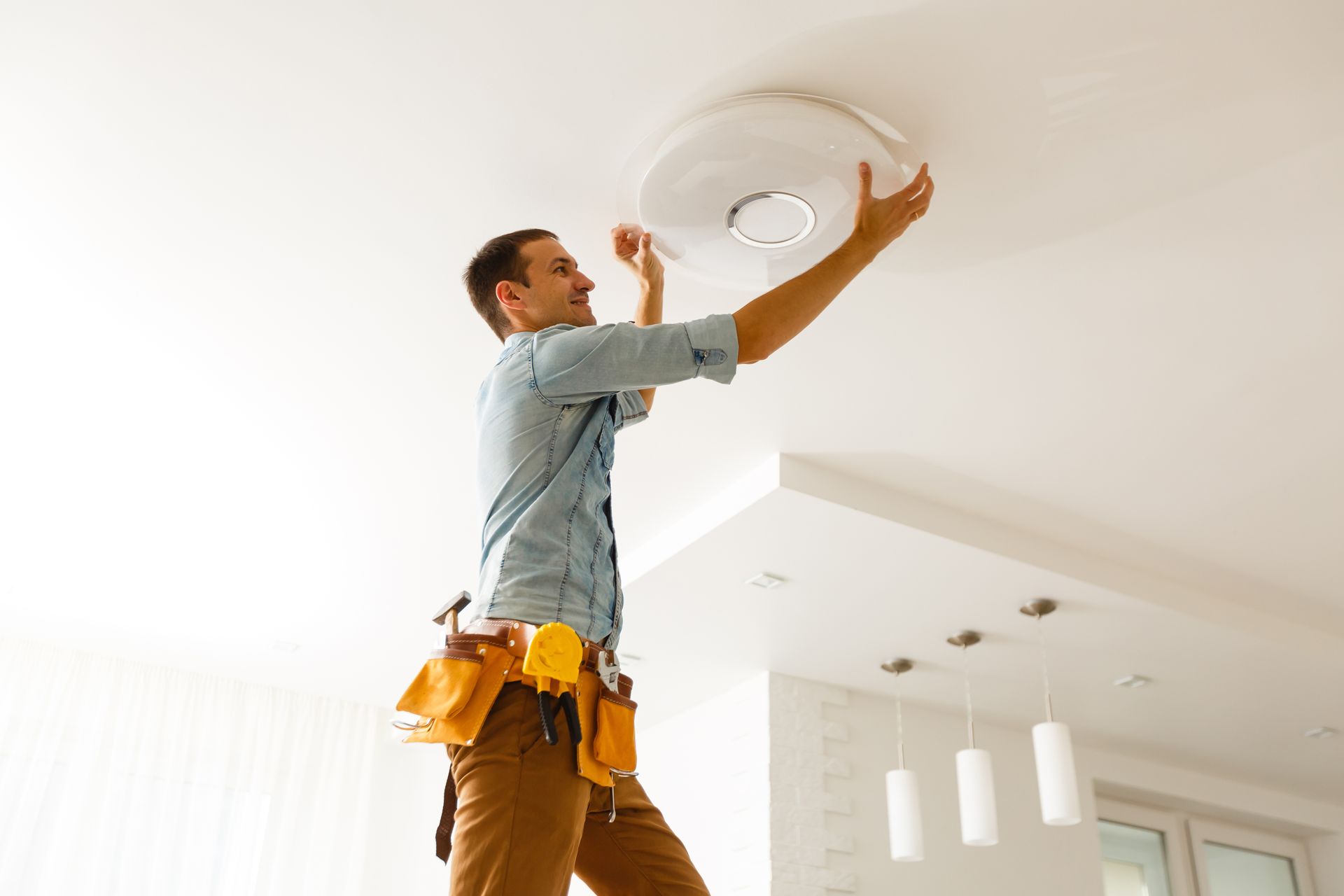
It can be tempting to handle small repairs around the house on your own. Swapping out a light fixture or replacing an outlet does not seem complicated at first glance. With so many online videos and step by step guides, DIY electrical work can look simple and manageable.
The problem is that electrical systems are not forgiving. One wrong connection or overlooked detail can lead to serious consequences. Electricity moves fast, and when something is wired incorrectly, the results can put both your home and your safety at risk.
Electrical Shock Is a Real Risk
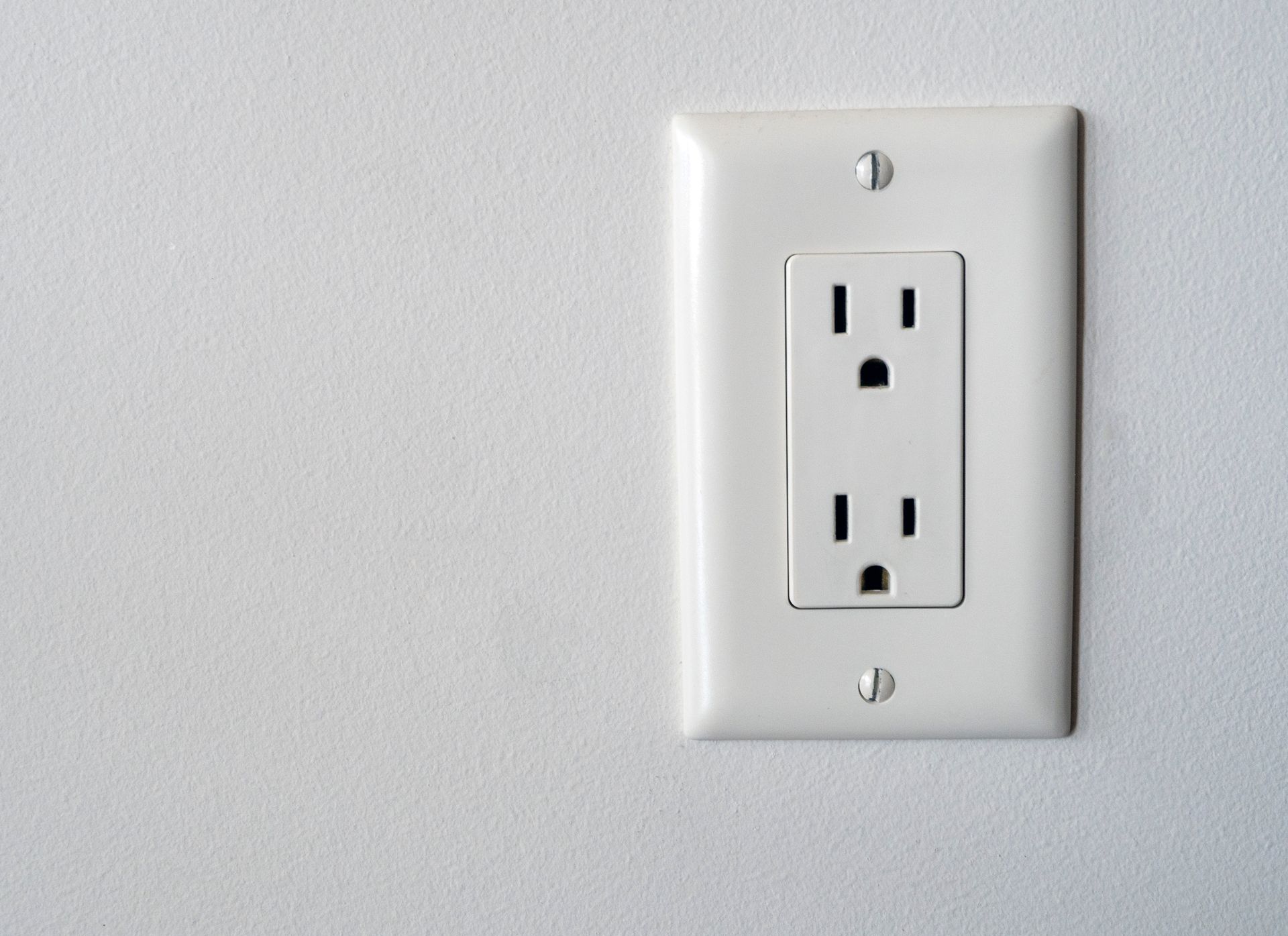
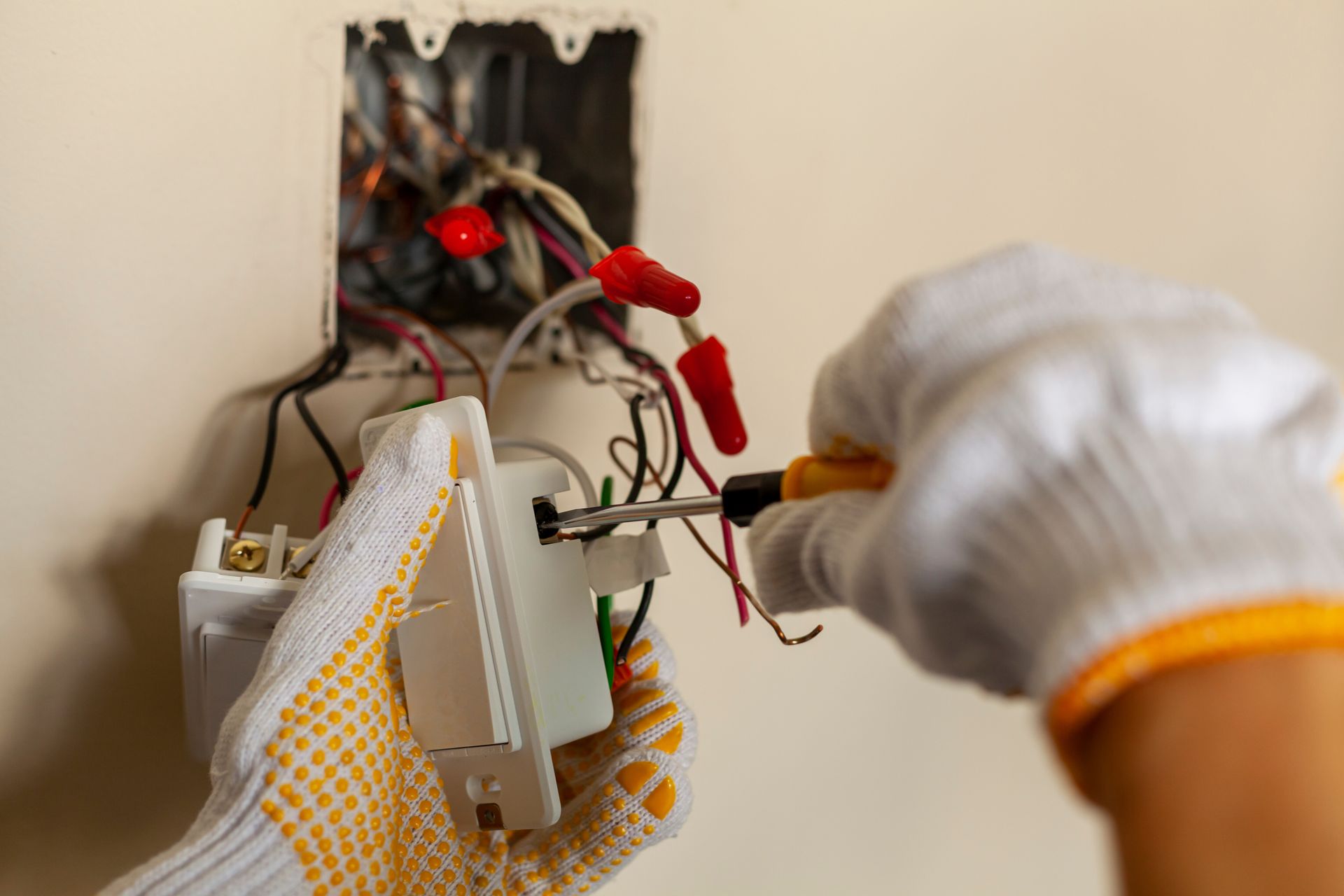
The most obvious danger is electrocution. Even when the power appears to be off, wiring can still carry current. Mistakes such as testing the wrong breaker or failing to confirm that a circuit is truly dead can lead to severe injury.
Electrical shock does not always look dramatic, but it can cause burns, nerve damage, or worse. Licensed electricians are trained to follow proper safety procedures before touching any wiring. That level of training matters more than most people realize.
Incorrect Wiring Can Lead to House Fires
Fire is another serious concern. When wires are connected improperly, heat builds up behind walls. Loose connections, overloaded circuits, or the wrong wire size can create sparks that are not visible until damage has already started.
Many electrical fires begin in areas homeowners rarely see. By the time smoke or burning smells are noticed, the fire may have already spread inside the wall. This is why electrical work is not just about getting the lights to turn on. It is about making sure everything is installed safely and up to code.
Code Violations and Inspection Problems
Electrical systems must meet specific building codes. These rules exist to protect your home and everyone inside it. A DIY repair might seem to work fine in the moment, but it may not meet safety standards.
If you plan to sell your home, unpermitted electrical work can create problems during inspection. Buyers may request repairs or lower their offer. In some cases, insurance companies may deny claims related to improperly completed electrical work. What started as a small money saving project can turn into a much larger expense.
Hidden Damage Behind Walls
Electrical systems are connected throughout the home. Changing one component without understanding the full layout can affect other circuits. A miswired outlet or switch can place stress on the entire system.
Damage behind drywall is especially concerning. You might not notice a problem until breakers start tripping or lights begin flickering. By that point, wires may already be overheating. A licensed electrician knows how to trace circuits correctly and ensure that changes do not cause hidden issues.
Leave Electrical Work to a Licensed Professional
Working with electricity is not the same as painting a room or replacing cabinet hardware. The risks are higher, and the margin for error is small. It takes proper tools, experience, and training to complete electrical repairs safely.
For homeowners in Western Massachusetts, B Town Electric provides licensed and experienced electrical services for both small repairs and larger projects. If something needs to be fixed, upgraded, or installed, having a professional handle the work protects your home and your family. When it comes to electricity, it is always safer to call someone who knows exactly what they are doing. Contact Us today!
Frequently Asked Questions
Is it ever safe to do small electrical repairs yourself?
Even small repairs can be risky if you are not trained. Turning off the wrong breaker or making a loose connection can lead to shock or fire hazards. It is safest to have a licensed electrician handle the work.
Can DIY electrical work affect my home insurance?
Yes, it can. If electrical work is not done properly or without permits, insurance companies may deny claims related to damage caused by faulty wiring.
How do I know if electrical work was done incorrectly?
Warning signs include flickering lights, outlets that feel warm, breakers that trip repeatedly, or a burning smell. If you notice any of these, it is important to have a licensed electrician inspect the system right away.
Questions? Contact our main office
Schedule a Free Quote. Submit a free quote request online