Bathroom Exhaust Fan Installation: Signs You Need One and How the Right Fan Prevents Mold in Western Mass Homes
A bathroom should be able to clear steam after a shower without leaving the room damp for the next hour. When mirrors stay fogged, paint begins to peel, or the fan sounds loud but barely moves air, the problem is usually more than an old fixture in the ceiling. It often means the room is not getting the ventilation it needs.
This matters in Western Massachusetts homes, especially in older houses throughout the Pioneer Valley and Hampshire County. Many homes were built before today's ventilation standards and have been renovated, insulated, or air-sealed over the years. Those updates can help with comfort and energy use, but they can also trap moisture if the bathroom fan was never installed correctly or upgraded.
For homeowners dealing with damp walls, musty smells, or a fan that no longer does its job, bathroom exhaust fan installation is often the answer.
Professional bathroom fan installation can help protect the bathroom and the spaces around it by removing warm, humid air before it settles into paint, drywall, trim, insulation, or attic framing.
Why Bathroom Moisture Is Common in Western Mass Homes
Hot showers fill a bathroom with warm, damp air quickly. In cold weather, that air meets cooler surfaces such as windows, exterior walls, ceilings, and trim. Once the steam hits those colder surfaces, it turns into condensation. That is why a bathroom can feel wet even after the shower is off.
Older New England homes can make this more noticeable. Some bathrooms were added later, remodeled several times, or built without strong mechanical ventilation. A small window may help during mild weather, but it is not enough during a cold winter morning when the room is full of steam and the window stays closed.
A working bathroom fan gives that moisture a path out of the home. Without steady airflow, humidity sits in the room and begins wearing down the surfaces around it. Over time, that can lead to peeling paint, swollen trim, musty odors, and stains that keep coming back.
Why Bathroom Ventilation Matters
Good bathroom ventilation helps protect the room from damage caused by everyday moisture. Showers, baths, sinks, and wet towels all add humidity to a small enclosed space. When that humidity stays trapped, drywall can soften, latex paint can blister, wallpaper adhesive can fail, and wood trim can begin to warp.
Moisture also creates the right conditions for mold and mildew. A bathroom does not need standing water to have a moisture problem. If surfaces stay damp after daily showers, mold can begin to appear on ceilings, around windows, along grout lines, or near the fan itself.
A properly installed exhaust fan helps prevent bathroom mold and moisture by removing damp air before it has time to settle. This is one of the main reasons homeowners look into bathroom exhaust fan installation, especially when a bathroom feels humid long after it should have dried out.
Signs Your Bathroom Fan Is Not Working Well
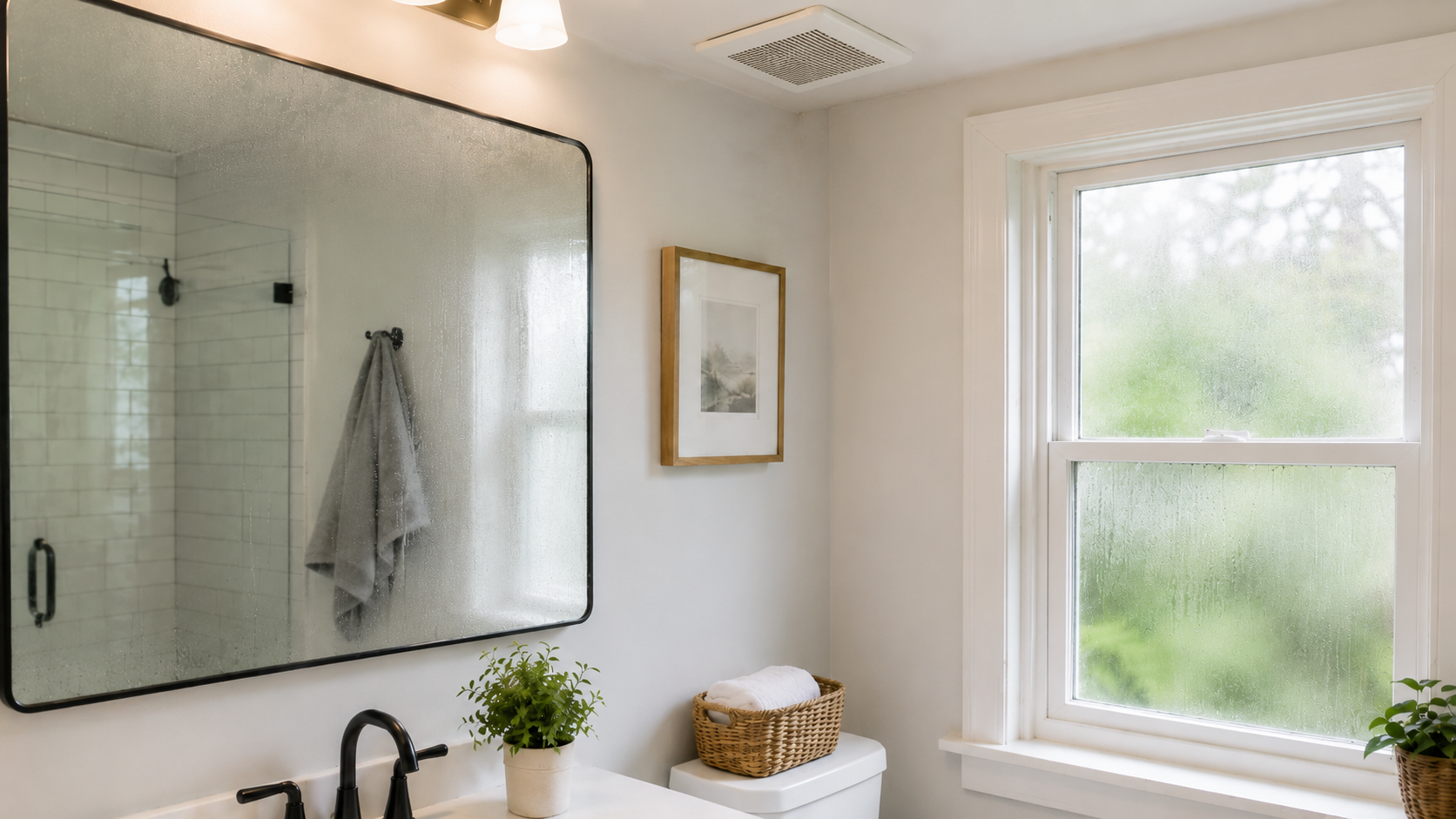
A fan can turn on and still fail to move enough air. One of the easiest signs is a mirror that stays heavily fogged for more than 15 to 20 minutes after a shower. A little steam is normal, but the room should not stay wet long after someone leaves.
The tissue test can also give you a quick clue. Turn the fan on and place a single square of toilet paper or tissue against the intake grille. If the fan is working well, the suction should hold the paper in place. If it falls right away, the fan may be clogged, weak, or too small for the bathroom.
Other signs include water beads on the walls, brown streaks running down painted surfaces, peeling paint, soft drywall, musty odors, or a fan that rattles, grinds, or hums loudly. Brown streaks can sometimes come from moisture pulling surfactants out of the paint, which means the wall is staying too damp.
Bathroom Fan Installation vs. Bathroom Fan Replacement
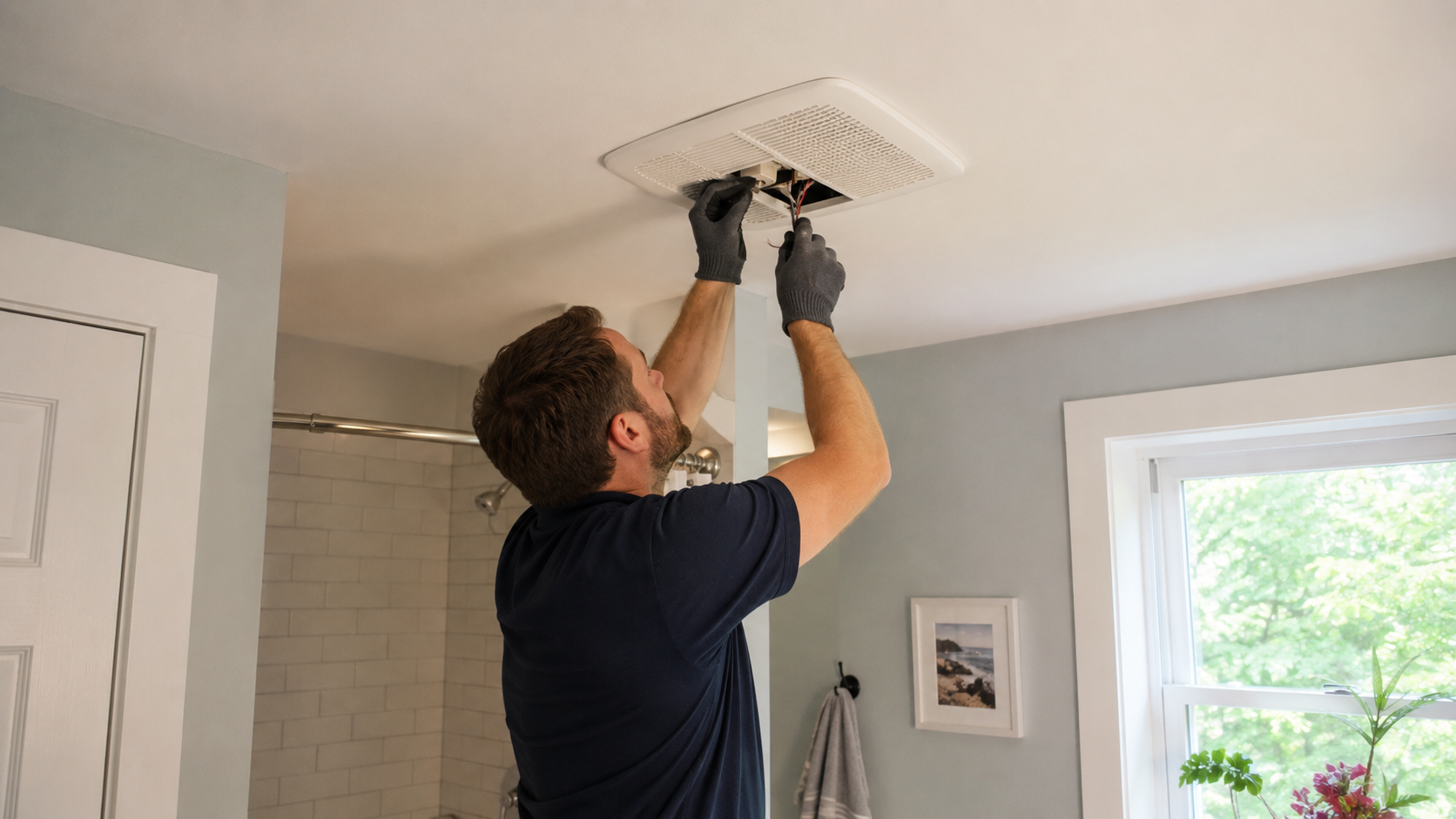
Bathroom fan replacement is often the right choice when there is already a fan in place, but it is old, loud, weak, or no longer clearing the room. A replacement may involve removing the existing unit, matching the ceiling opening, checking the duct path, and upgrading to a quieter fan with better airflow.
A new bathroom fan installation is more involved because the bathroom may not have an existing fan, switch, duct, or exterior vent. In that case, the work can include cutting into the ceiling, running safe wiring, adding a wall switch or timer, routing ductwork, and creating a proper outside termination point.
Both situations need to be done carefully. A fan that is too small will not clear the room. A fan that is wired poorly can create safety issues. A fan that vents into the attic can move the moisture problem from the bathroom into a much more expensive part of the home.
Why Bathroom Fans Must Vent to the Outside
A bathroom fan should move humid air fully outdoors. It should not release air into an attic, crawl space, ceiling cavity, or wall space. When a fan dumps shower steam into the attic, the bathroom may seem better at first, but the moisture has only been moved somewhere else.
That trapped attic moisture can soak insulation, reduce insulation performance, stain ceilings, and contribute to mold or wood rot. In winter, warm humid air can also create frost on the underside of the roof sheathing. When that frost melts, it can drip back into insulation and framing.
Improper attic venting can also add to roof problems during cold weather. Warm air in the attic can affect the roof deck and contribute to uneven snow melting, which may play a role in ice buildup near the edges of the roof. If your home has attic moisture issues or poor roof ventilation,
attic fan installation may also be worth discussing, but a bathroom fan still needs its own properly routed exhaust path to the outside.
How Bathroom Fan CFM Sizing Affects Performance
The strength of a bathroom fan is measured in CFM, which stands for cubic feet per minute. This tells you how much air the fan can move. If the fan is undersized, it may run the entire time someone showers and still leave the room damp.
A common guideline is at least 1 CFM per square foot of bathroom floor space for bathrooms under 100 square feet, with many smaller bathrooms needing a 50 CFM fan as a baseline. A 5-foot by 8-foot bathroom is about 40 square feet, but a 50 CFM fan is still commonly used as the minimum. An 8-foot by 10-foot bathroom is about 80 square feet and generally needs around 80 CFM.
Larger bathrooms need more careful sizing. A bathroom with a shower, tub, toilet room, or jetted tub may need additional airflow. Long duct runs and multiple bends can also reduce performance because the fan has to work harder to push air outside. That is why bathroom fan CFM sizing should be considered before choosing a new fan.
When a Noisy Bathroom Fan Should Be Replaced
A loud fan is easy to ignore, but it often tells you something is wrong. The motor may be wearing out, the bearings may be failing, or the blower wheel may be packed with dust. In many homes, the fan is so loud that people stop using it, which defeats the purpose of having one.
Fan noise is measured in sones. Older builder-grade fans and failing motors can be loud enough to sound like heavy traffic or a noisy appliance overhead. Many newer models move the same amount of air, or more, while running much quieter.
A noisy bathroom fan replacement can make the bathroom more comfortable and easier to use. When the fan is quiet, people are more likely to turn it on during showers and leave it running long enough afterward. A timer switch can help with that too, especially in busy households where people forget to turn the fan off.
Why Hiring an Electrician Matters
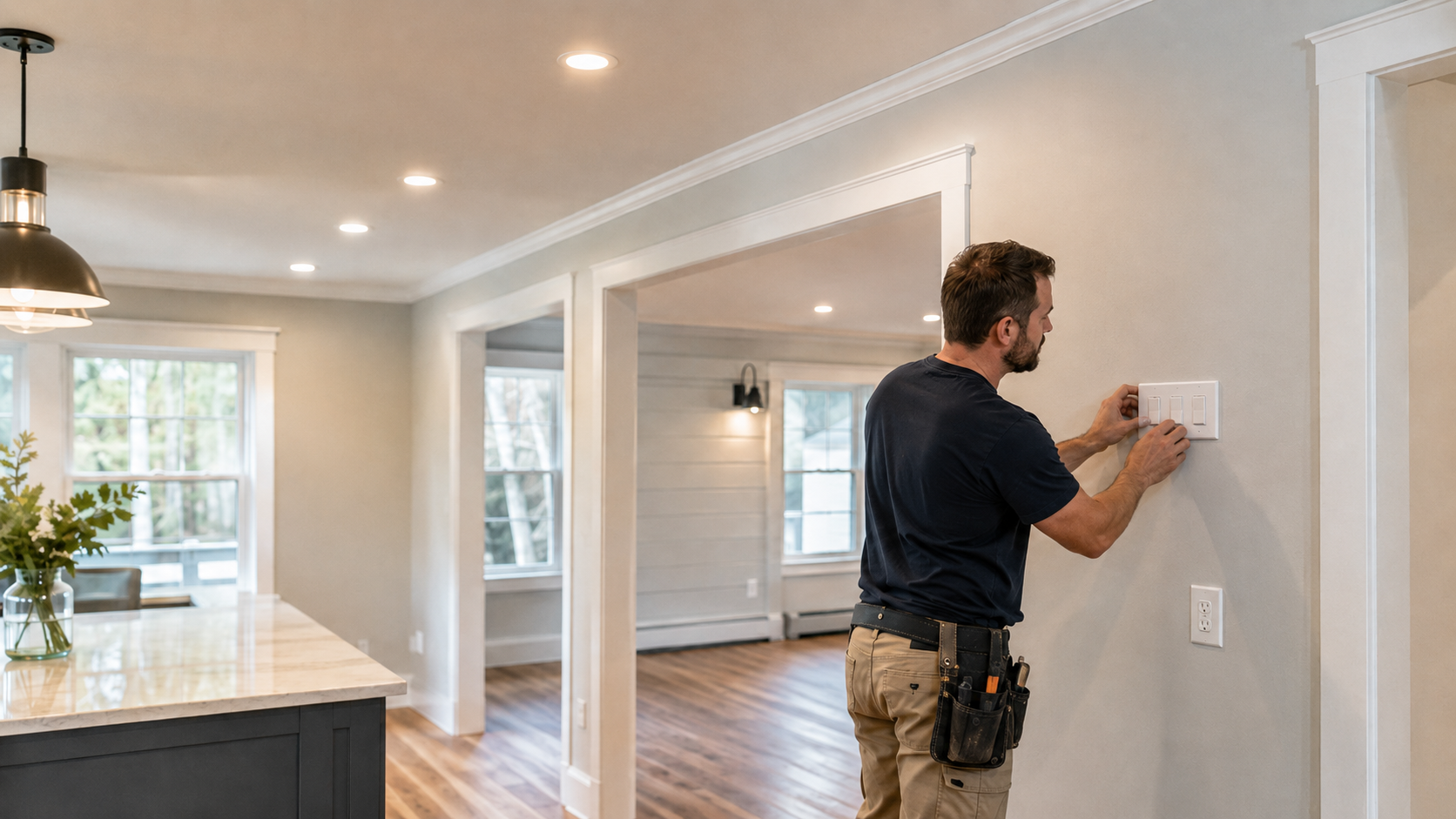
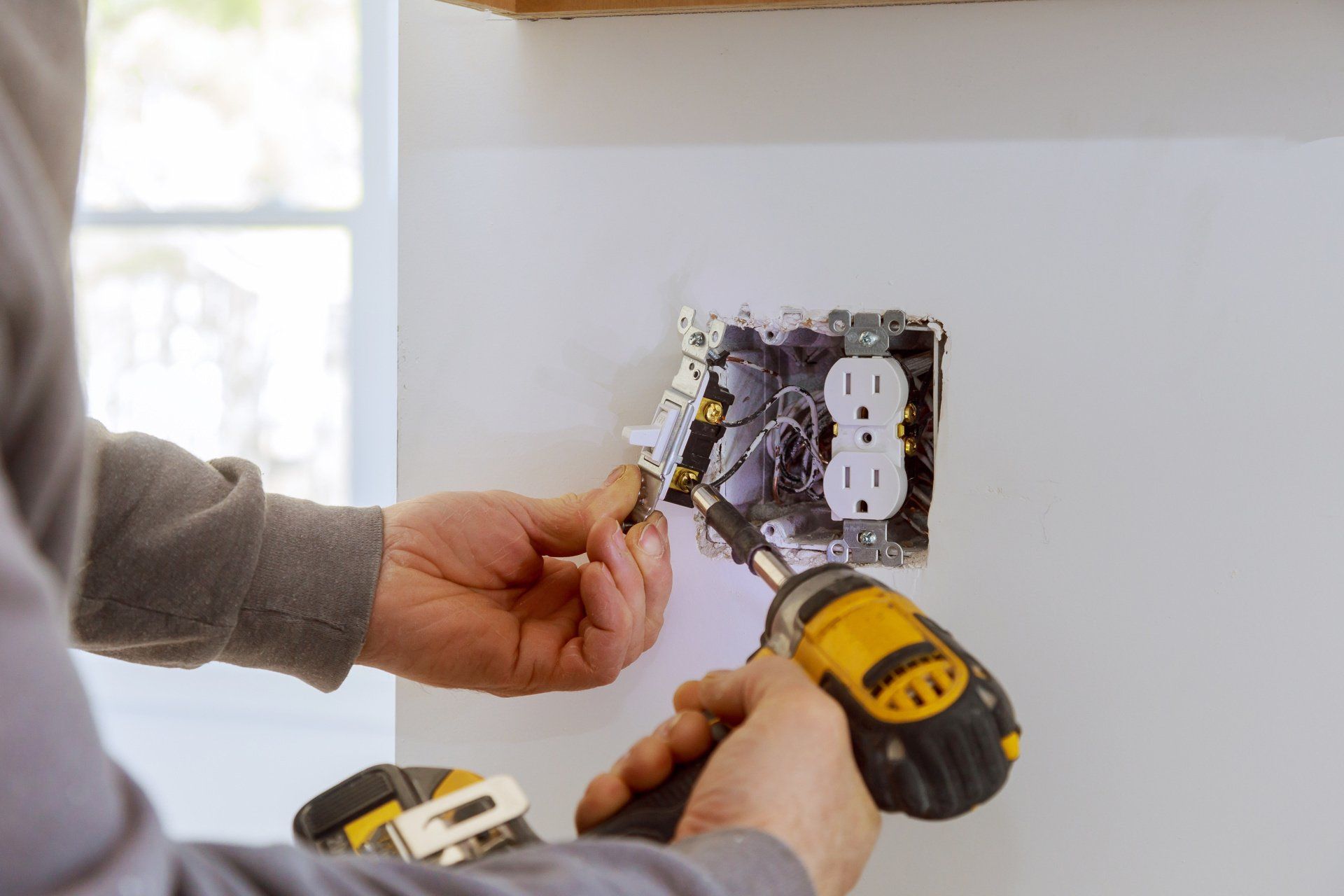
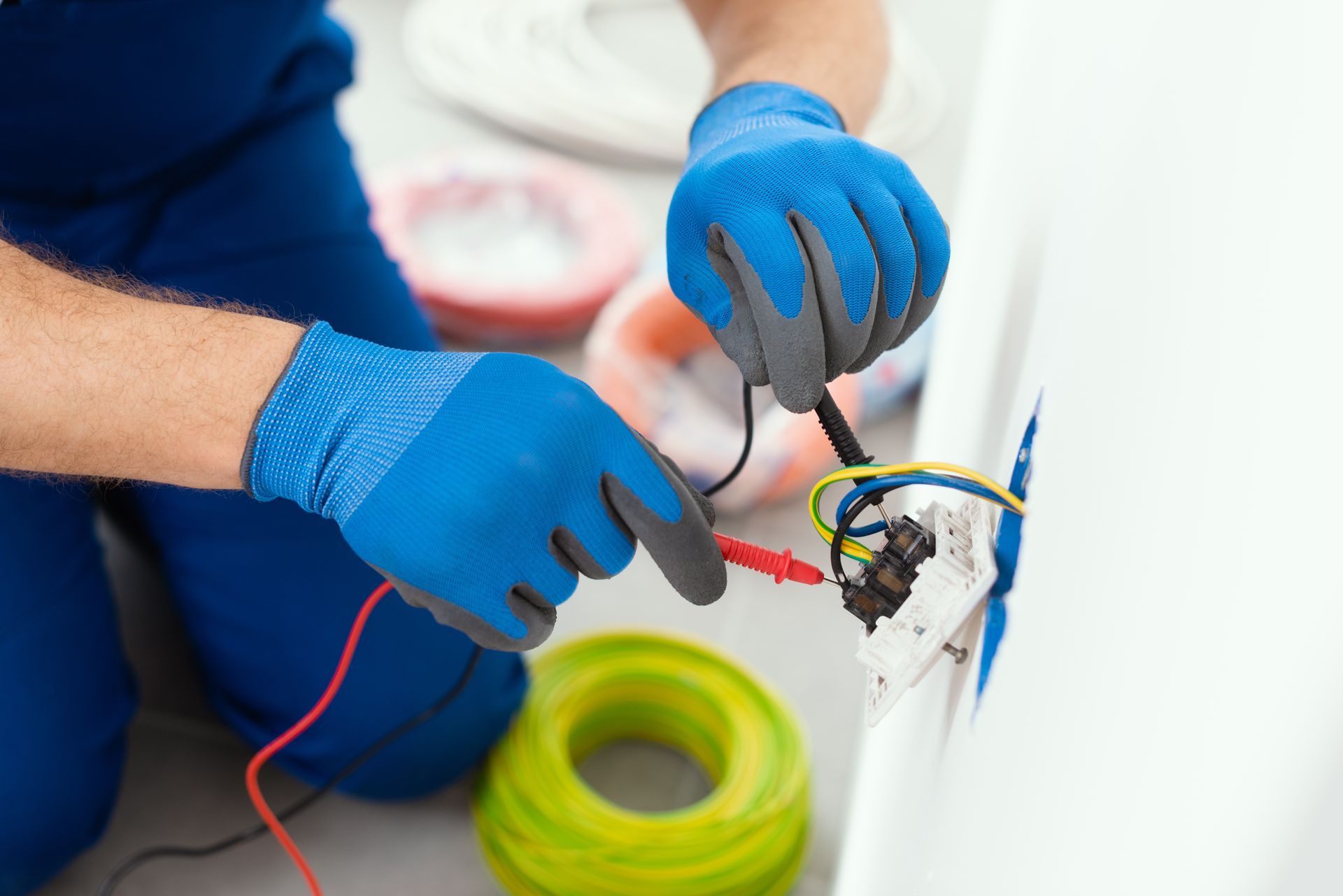
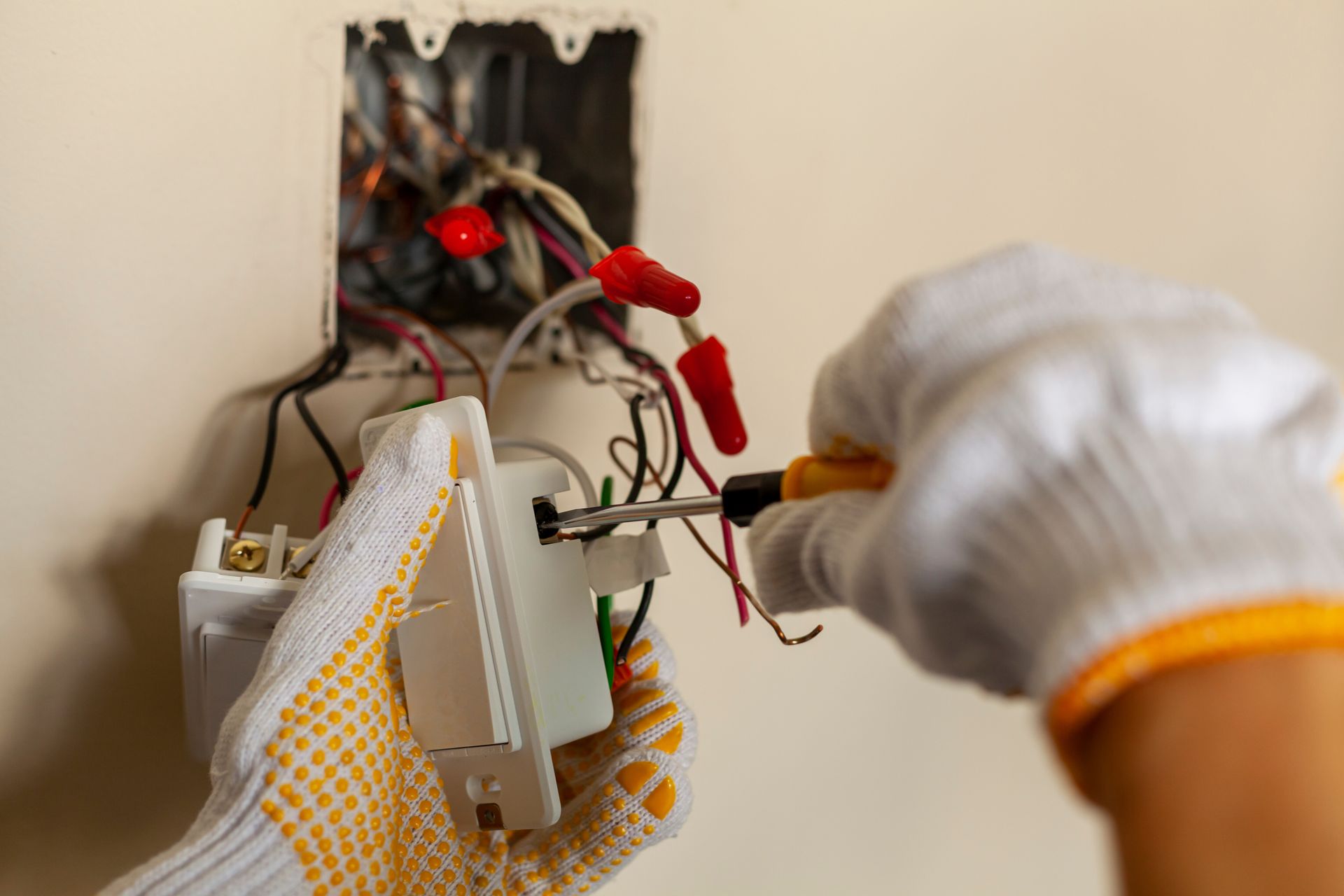
A bathroom exhaust fan is installed in a damp area and connected to your home's electrical system. That makes safe wiring important. An electrician can check the circuit, install the correct switch or timer, and make sure the fan is connected properly.
This is especially important in older homes where bathroom fans may be tied into shared lighting circuits. Some older setups may already have too many devices on one circuit, or the wiring may not be in good condition. If a fan/light combination is being installed over a shower or bathtub area, proper GFCI protection may also be required.
If your fan has stopped working, trips a breaker, flickers with the lights, or shows signs of wiring trouble, it may be time for an
electrical repair before replacing the unit. B-Town Electric can inspect the setup and recommend the safest way to move forward.
Bathroom Fan Installation for Western Massachusetts Homes
Homes in this region are not all built the same. A renovated bathroom in Amherst may have a different ceiling layout, attic space, duct route, or wiring setup than a newer home nearby. Older homes can also have past repairs or remodels hidden behind walls and ceilings.
That is why bathroom fan installation Western Massachusetts homeowners need should account for both electrical safety and the structure of the home. The fan needs to be sized correctly, vented outside, and installed in a way that actually clears moisture from the room.
If you need an
electrician in Amherst, MA
or nearby areas, B-Town Electric provides practical electrical services for homeowners who want the job done correctly. From bathroom fans and switches to lighting, repairs, and ventilation-related electrical work, our team helps homeowners improve comfort and protect their homes.
Bathroom Fan FAQs
Can a bathroom fan vent into the attic?
No. A bathroom fan should vent fully to the outside through a wall or roof termination. Venting into the attic only moves the moisture problem to a more expensive part of the home, where it can soak insulation, stain ceilings, and lead to mold or wood rot.
What size bathroom fan do I need?
For bathrooms under 100 square feet, a common guideline is at least 1 CFM per square foot, with 50 CFM as a typical minimum. Larger bathrooms, or those with a separate shower, tub, or jetted tub, usually need more airflow. Long duct runs and bends also factor in, which is why sizing should be checked before buying a fan.
Why is my bathroom fan so loud?
A loud fan often means the motor is wearing out, the bearings are failing, or the blower wheel is packed with dust. Fan noise is measured in sones, and many newer models move the same amount of air much more quietly. If the noise keeps people from using the fan, it is usually worth replacing.
How much does bathroom fan installation cost?
Cost depends on whether you are replacing an existing fan or installing a new one, the fan you choose, the duct route, and any wiring the job needs. Because every bathroom and home is different, the most accurate way to know is a free estimate.
Concerned About Bathroom Moisture? Let's Talk
If your bathroom stays damp, smells musty, or has an old fan that barely works, it may be time to consider professional bathroom fan installation. A properly installed fan can help prevent bathroom mold and moisture, protect finishes, and make the bathroom more comfortable after showers and baths.
B-Town Electric can help with bathroom fan installation, bathroom fan replacement, wiring, timers, switches, and proper venting. To get started,
request a free estimate today.
Questions? Contact our main office
Schedule a Free Quote. Submit a free quote request online