Heat Pump Electrical Requirements: Does Your Western MA Home Need an Upgrade?
If you're thinking about installing a heat pump in your home, you've probably spent some time looking at different systems, comparing heating and cooling options, or researching available rebates. One thing that doesn't always come up right away is the electrical work that might be needed before the equipment can be installed.
Heat pumps run on electricity, and depending on your home's existing setup, installing one could mean adding new wiring, a dedicated circuit, or making changes to your electrical panel. However, not every home needs a major upgrade. Understanding the basic heat pump electrical requirements can help you know what to expect and what to have checked before moving forward with installation.
How Does a Heat Pump Affect Your Home's Electrical System?
Heat pumps use electricity to provide both heating and cooling, making them an option for homeowners looking to replace or supplement their existing systems. Unlike a traditional oil or gas heating system, a heat pump relies on electricity to operate its main components. This means your home's electrical system needs to be able to support the equipment along with everything else you use each day. The amount of additional power needed depends on the heat pump and what equipment is already installed.
One of the first things to look at is your electrical panel. Some homes have 100-amp service, while others have 150-amp or 200-amp service. These numbers describe the electrical service's capacity, but they don't tell you how much room is available for new equipment. An electrician also needs to consider things like electric stoves, dryers, water heaters, and other appliances already using power. A home with 100-amp service might have enough capacity for a heat pump, while another home with a larger service could still need electrical improvements. B-Town Electric provides electrical panel upgrades for homeowners throughout Western Massachusetts when an existing system needs to be updated.
What Electrical Requirements Does a Heat Pump Have?
Many residential heat pumps need a dedicated electrical circuit, meaning the equipment has its own connection to the electrical panel rather than sharing a circuit with other appliances. This allows the proper wiring and circuit protection to be installed for that specific system. Many heat pumps use a 208/240-volt connection, although smaller units and certain equipment configurations have different requirements. A ductless mini-split and a larger central heat pump may also have different electrical needs.
The exact setup depends on the equipment being installed. Manufacturers provide electrical specifications that identify the required power supply, circuit protection, and other installation details. An electrician uses that information to determine the appropriate wiring, breaker, and disconnect equipment. Some heat pump installations also have separate indoor and outdoor components that need to be considered. This is why it's better to have the electrical requirements reviewed after choosing a system rather than assuming every heat pump needs the same size circuit or breaker.
Signs Your Electrical Panel May Need Attention Before Installation
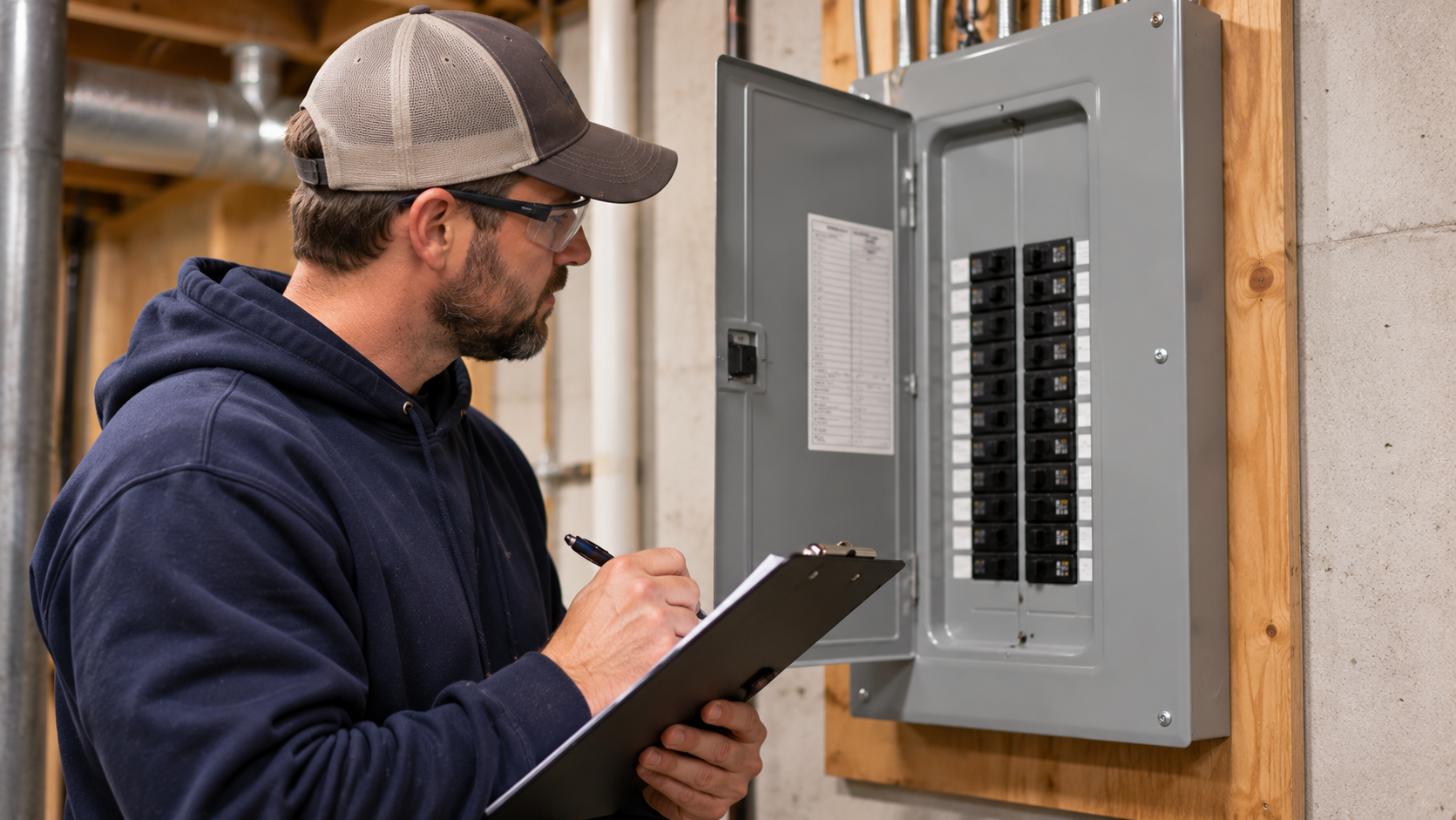
You don't need to know everything about your electrical system before considering a heat pump. However, there are a few things homeowners might notice that make an electrical evaluation especially useful. Some are related to the age of the panel, while others involve how the electrical system handles everyday use. These signs don't necessarily mean you need an upgrade, but they can point to issues worth looking into before adding new equipment.
Some things to watch for include:
- An older electrical panel. The equipment's condition and capacity may need to be reviewed before adding another circuit.
- A panel with no open breaker spaces. Additional electrical work may be needed to make room for the heat pump's circuit.
- Breakers that trip frequently. Repeated tripping can indicate an electrical problem that should be investigated.
- Lights that dim when large appliances run. This could be a sign of an issue with the electrical system or an appliance.
- Other electrical upgrades being planned. New appliances, an EV charger, or additional equipment can change the home's total electrical demand.
If you've noticed any of these issues, have a qualified electrician take a look. Electrical panels contain dangerous components, so homeowners shouldn't remove covers or attempt to inspect the wiring themselves.
What Electrical Work Might Be Needed for a Heat Pump?
Before adding a heat pump, an electrician will need to review the home's existing electrical system and the requirements of the equipment being installed. Sometimes the panel already has enough capacity and space for another circuit. In that case, the electrical work might involve installing the appropriate breaker, running wiring to the equipment, and adding a required disconnect near the outdoor unit. Other properties may need modifications to the existing panel before the new equipment can be connected.
The work becomes more involved when the electrical system doesn't have enough available capacity or the existing equipment isn't suitable. In some cases, additional circuit space can be provided without increasing the home's total service capacity. Other situations may call for a larger electrical service or a replacement panel. These decisions are based on the actual system rather than the home's age alone.
Common Heat Pump Electrical Situations
| What the Electrician Finds | What Might Be Needed |
|---|---|
| The panel has enough electrical capacity and available breaker space. | A new circuit and correctly sized wiring for the heat pump. |
| The panel has enough capacity but limited breaker space. | An approved solution for adding the required circuit space. |
| The home's electrical service cannot support the additional demand. | Electrical system improvements or a service upgrade, depending on the findings. |
Electrical improvements can involve more than adding a breaker. New wiring may need to run through finished walls, basements, or other areas to reach the equipment. If a larger service is necessary, the project could also involve coordination with the electric utility.
Applicable work must follow Massachusetts electrical requirements, including permits and inspections. B-Town Electric provides electrical wiring installation and panel improvements for homeowners who need changes to their existing systems.
Why It's Best to Plan Electrical Work Before Installing a Heat Pump
It's easy to focus on the heat pump itself when planning an installation. You might already know where the outdoor unit will go or which rooms you want to heat and cool. However, the electrical requirements should be reviewed before the installation date is finalized. Having the proposed equipment specifications available gives the electrician the information needed to evaluate your panel and determine what work might be required. This also gives you a better understanding of the electrical portion of the project before installation begins.
An early evaluation can also uncover existing problems that should be addressed first. For example, an electrician might find damaged wiring, worn electrical components, or a panel that isn't suitable for the proposed work. These issues should be handled properly rather than adding equipment to a system that already needs attention. B-Town Electric offers electrical repairs, panel upgrades, and wiring services for residential properties. Planning the electrical work alongside the HVAC installation helps homeowners understand which parts of the project need to be completed and how they fit together.
Preparing for a Heat Pump Installation in Western Massachusetts
Homes throughout Western Massachusetts have a wide range of electrical systems. A newer house in Belchertown might already have a panel with room for additional equipment, while an older property in Amherst or Northampton could have wiring and electrical service that haven't been updated in years. That doesn't automatically mean the older home needs a complete upgrade. It means the existing system should be evaluated based on its condition and the equipment you plan to install. For homeowners looking for an electrician in Northampton, MA or surrounding communities, B-Town Electric provides residential electrical services throughout the Pioneer Valley.
Another consideration is the timing of your project. Many Massachusetts homeowners researching heat pumps also look into Mass Save rebates and other available programs. These incentives have specific eligibility requirements, and the details can change from year to year. It's worth reviewing the current program information and discussing equipment eligibility with your heat pump installer before making a final decision. B-Town Electric is based in Belchertown and serves homeowners throughout Hampden, Hampshire, and Franklin Counties, providing electrical services for residential upgrades and improvements.
Planning a Heat Pump? Start With Your Electrical System
Installing a heat pump is a good reason to take a closer look at your home's electrical setup, especially if you haven't had the panel or wiring evaluated recently. Some homes may only need a new circuit, while others require additional improvements before installation. B-Town Electric helps homeowners throughout Western Massachusetts with electrical panel upgrades, wiring, and repairs. If you're planning a heat pump and have questions about the electrical work involved, contact us today or give us a call at (413) 213-0770. Our team can discuss your project and arrange a free estimate.
Frequently Asked Questions
Do I Need to Upgrade My Electrical Panel for a Heat Pump?
Not necessarily. Some homes already have enough electrical capacity to support the new equipment, while others need additional work. The decision depends on the existing electrical demand, available breaker space, panel condition, and the heat pump's specifications. An electrician can review these details and determine if an upgrade is needed.
Can a 100-Amp Electrical Panel Handle a Heat Pump?
Yes, some homes with 100-amp service can support a heat pump without increasing their electrical service capacity. It depends on what other appliances and electrical equipment the home uses, along with the requirements of the selected heat pump. A 100-amp rating alone doesn't mean the panel needs to be replaced.
Does a Heat Pump Need Its Own Electrical Circuit?
Many residential heat pumps require a dedicated electrical circuit. This means the equipment has its own circuit and breaker rather than sharing one with other household appliances. The wiring, breaker size, and disconnect requirements depend on the specific model and its installation instructions. Some systems also have multiple components with separate electrical requirements.
How Much Does Electrical Work for a Heat Pump Cost?
The cost depends on what your home needs. Installing a new circuit is a different project from replacing an electrical panel or upgrading the main electrical service. Wiring distance, existing equipment, and other installation details can also affect the amount of work involved. B-Town Electric offers free estimates so homeowners can understand the electrical improvements needed for their project.
Questions? Contact our main office
Schedule a Free Quote. Submit a free quote request online